STANDARD EXPANSION
65–75 L
For routine pot filling, nursery mixing and bulk growing-media preparation.
13–15 L/kgNominal expansion per kilogram
Enquire about 65–75 L Build an enquiry
TERAL / 5 KG BLOCKS
Source 5 kg compressed cocopeat blocks for nursery pot filling, substrate blending and bulk growing-media supply. Compare standard and high-expansion coco coir grades, then agree the treatment, packing and test specifications.
Compare expansion options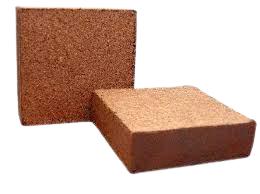
ONE BLOCK WEIGHT / TWO COCOPEAT OPTIONS
5 kg nominal block weight.
Volume after rehydration and loosening.
STANDARD EXPANSION
For routine pot filling, nursery mixing and bulk growing-media preparation.
HIGH EXPANSION / TERAL SPECIALISM
For buyers prioritising a higher recoverable substrate volume from each 5 kg block.
Expansion ranges refer to the specified cocopeat grades. Compare results using the same hydration, loosening and volume-measurement procedure. Chips and blended blocks have their own grade-specific expansion specifications.
WHY HIGH EXPANSION MATTERS
Higher expansion means more nominal filling volume from the same block weight. Compare landed cost per usable litre alongside the physical grade.
1,000 standard blocks represent 65–75 m³; 1,000 high-expansion blocks represent 90–100 m³ of nominal expanded media. Both are 5 tonnes of nominal block weight.
Agree the required volume, EC, buffering and particle profile together. Freight and handling savings depend on the actual packing and shipment—not expansion alone.
Expanded volume is not water-holding capacity or a crop-yield promise. Container filling, settling and handling can change the usable volume.
THE BLOCK FAMILY
Match the structure to the application.
Specify treatment separately.
Pith-based media for pot filling and substrate preparation. Available in the standard and high-expansion options above.
Discuss cocopeatCocopeat combined with graded husk chips, for buyers seeking a coarser structure within a peat-based medium. Blend and chip size are customised.
Discuss a blendCompressed coconut husk chips for use as a coarse substrate component or in a separately specified container mix. Small, medium and coarse grades are available to discuss.
Discuss chipsEC & BUFFERING OPTIONS
| Option | What it means | What to specify |
|---|---|---|
| Washed low EC | Washing reduces soluble salts in the material. Low EC does not automatically mean buffered. | Required EC limit, extraction method and water quality used for testing. |
| Buffered | Coir treatment addresses exchangeable ions; buffering is distinct from washing. | Buffering requirement alongside EC and the material grade. |
| EC to your specification | A buyer-defined salt specification for the intended crop, blend or further processing. | Numerical limit and test method, confirmed with a sample or batch report. |
Discuss these options across cocopeat, chips-blended and chips blocks. EC numbers are meaningful only with their test method; one reading cannot describe every grade.
Read our low EC and buffering guideBEHIND HIGH EXPANSION
High expansion comes from a recoverable loose structure.
Simply pressing harder does not create more substrate.
Raw material and particle distribution determine the starting structure. Consistent grading helps control how the media loosens and fills a measured volume.
Drying and moisture before pressing affect rehydration. Over-drying or excessive heat can impair recovery; the process needs to suit the material.
Compression makes a compact transport unit. It must be balanced with the material’s ability to break apart and recover when rehydrated.
Hydrate and loosen consistently, then measure under an agreed procedure. Record block weight, moisture basis and recovered volume so grades can be compared fairly.
Teral’s high-expansion focus brings these requirements into the product brief: the selected grade, the expansion range and the treatment your growing system needs.
Fernando & Amarasinghe: drying and expansion of coir pith
Carlile and colleagues: organic growing-media constituents and properties
These references explain general material behaviour. The stated product expansion options are Teral’s range specifications.
BUILD YOUR BLOCK ENQUIRY
Include your material choice, expansion range, EC method, buffering requirement, quantity and destination.
FROM THE TERAL JOURNAL
Blocks & buying value
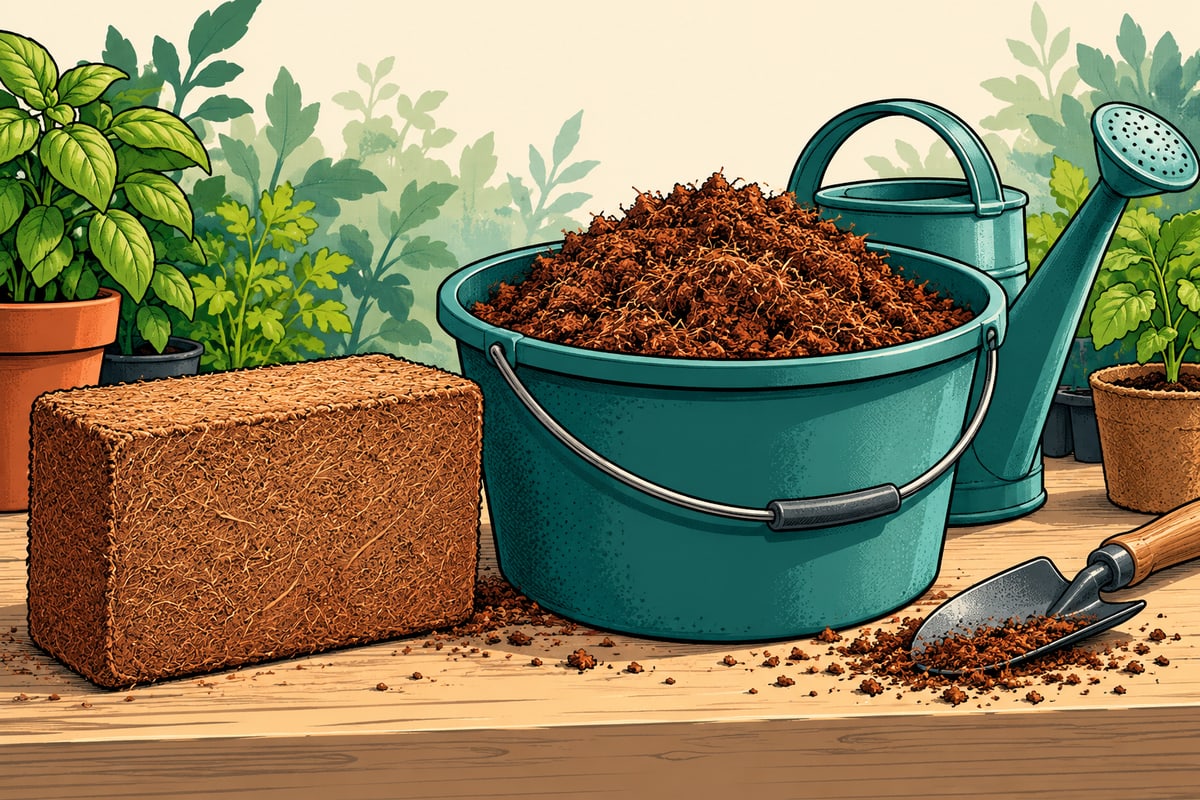
Compare 65–75 L and 90–100 L cocopeat blocks, calculate cost per expanded litre and learn what a meaningful expansion specification should include.
Read the article
Procurement
Build a better cocopeat purchase specification. Check test methods, buffering, particle size, moisture, expansion, samples and packing before ordering.
Read the articlePLAN YOUR SHIPMENT
Compare loose and palletised loading for 20ft and 40ft containers.
Open container calculatorBUYER RESOURCES

Bulk sourcing
Build a clear bulk cocopeat enquiry from India. Compare grades, packing, usable volume and delivery scope with a practical importer’s quotation checklist.
Read the article
Buying calculations
Calculate dry matter from cocopeat wet weight and moisture percentage. Worked examples help buyers compare pack weights without confusing mass and volume.
Read the articleYOUR NEXT GROWING SEASON
Tell us about your crop, system and destination.
We’ll help define the product specification.